
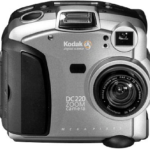
 Since the previous century I have been saving my digital photos. My first camera was the Kodak DC220, a bulky 1‑megapixel device with an enormous battery consumption. After that came a Canon Digital Elph, a Canon Ixus, and eventually my current Canon Powershot G7X. Probably my last dedicated camera, because these days I take almost all my photos with my phone. I always have it with me, so taking a photo is much easier but it also means I think less about it, and a lot of digital clutter ends up in the mix.
A few times a year I add the photos from my camera and phone to my archive. That archive started small: maybe 30 or 40 photos per year. But taking photos has become so easy, and sharing or receiving photos so normal, that I now have years with more than 10,000 photos. Far too many, of course. Sometimes I even feel like a kind of digital hoarder: someone who fills their house with everything they can get their hands on, but digitally. Every little screenshot, every failed photo, every duplicate shot ends up somewhere in a folder. It piles up without me noticing, to the point where the archive feels more like a digital storage unit than a collection of memories. By deliberately pruning, I make the archive usable again, a collection I can browse without feeling overwhelmed, where the photos that remain actually say something about that year and about my/our life. That, to me, is the essence of selecting an archive.
That’s why I introduced a clear rule: about 100 photos per year. And for big events, a maximum of 100 photos per event. The focus is on photos with family and friends, supplemented with a few landscapes or nature shots that truly add something. It’s the same logic as my paper albums. I do look at those from time to time, precisely because they only contain the photos that matter.
100 photos per year, 26 years, plus a few major events. Still a substantial collection, but finally one I can view, cherish, and maintain. An archive that works as an archive again, and not as a digital basement full of forgotten files. A way to preserve memories without drowning in the sheer amount.